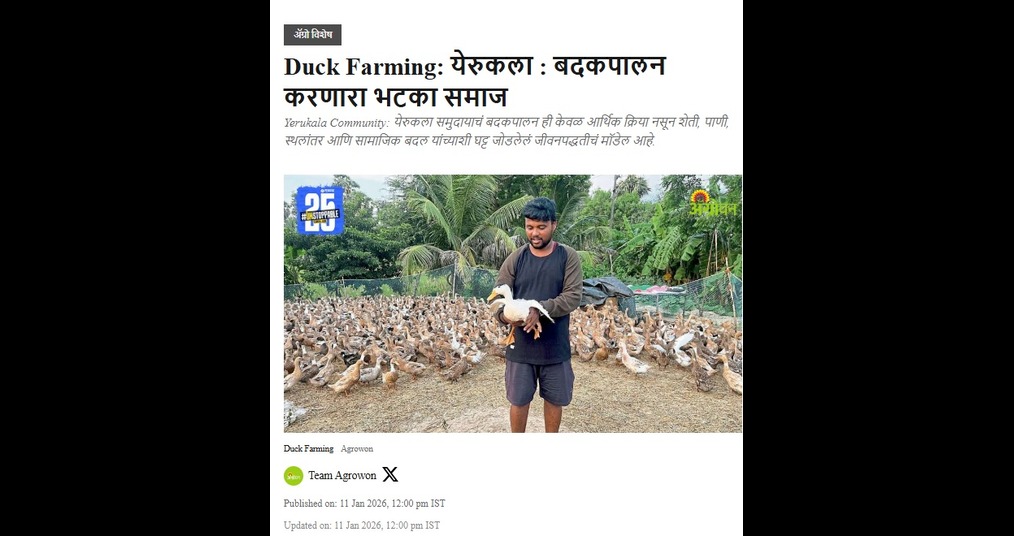
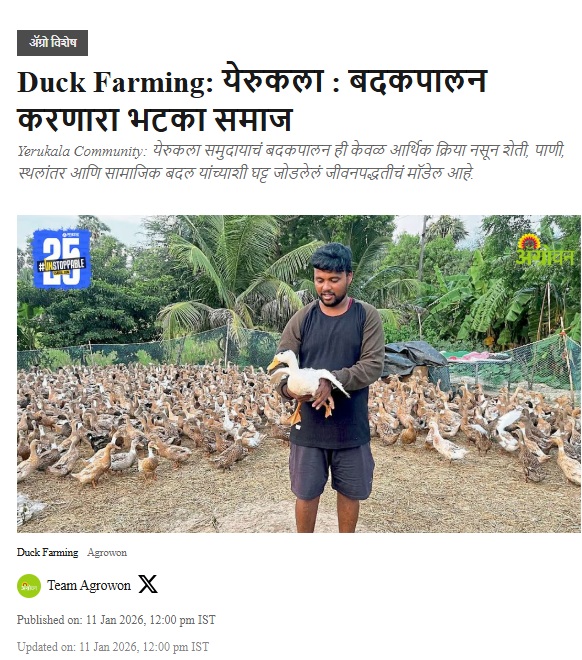
आंध्र प्रदेशमधील नेल्लोर येथील भातशेतीचा हंगाम संपला होता, पण तरीही भातशेतीत पाणी भरलेले होते. पाऊस यायला अजूनही अवकाश होता. संध्याकाळी ती भातशेती, त्यात भरगच्च भरलेले पाणी आणि त्यावर तरंगणारा पालापाचोळा असे दृश्य लांबून मला दिसत होते पण जवळ गेलो तर चित्र काही वेगळेच होते…. तो पालापाचोळा नसून असंख्य बदकं होती.
In this blog, Ilse, Ajinkya, Sajal and Hanwant argue for formally recognising camels as essential working animals for pastoral livelihoods and for facilitating their movement across state borders.
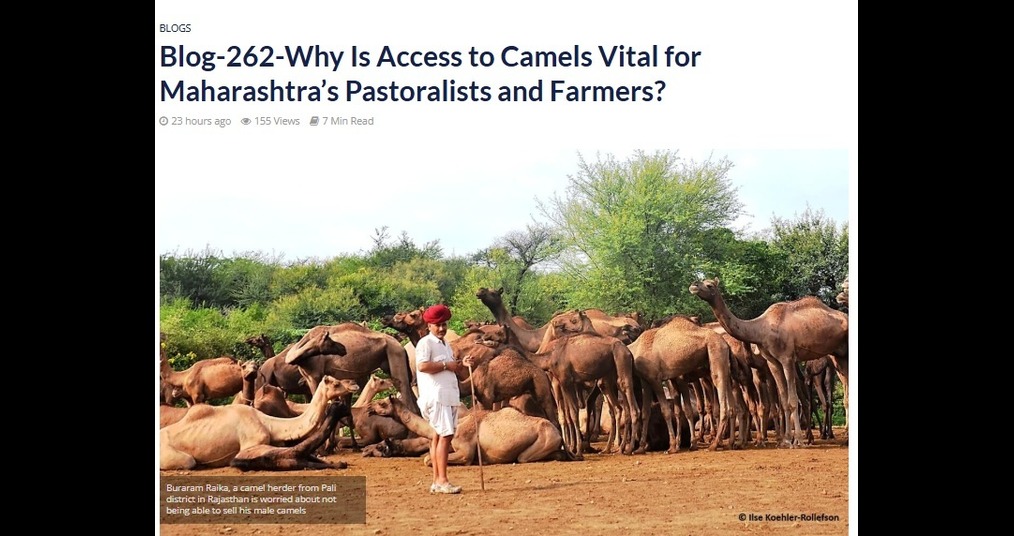
“Camels are vital for our migration and our livelihoods”, emphasises Mammu Rebari, a shepherd and continues “, We don’t want to, but in the future, we might have to move with bullock carts instead, if the situation does not change.”
Sitting at the edge of a talab in Sakhara village of Bhivapur Taluka about 40 km from Nagpur in Maharashtra, surrounded by eight camels that transport the belongings of the four families in his herding group, he is referring to the seizure of 32 camels and the FIR issued against two people from his community who had walked them from Anjar district in Kutch to replace old camels. The complainant is an animal welfare organisation that claims the camels were destined for slaughter and that it is cruel to make camels walk such long distances.
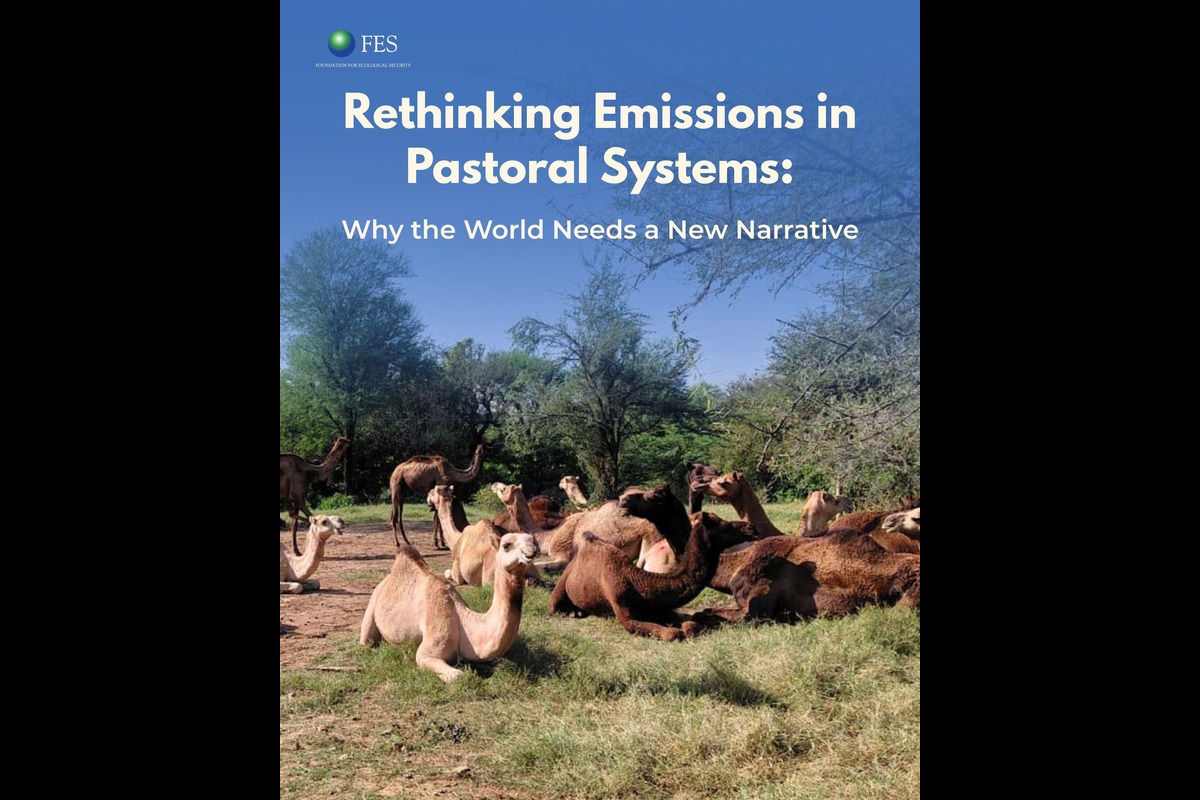
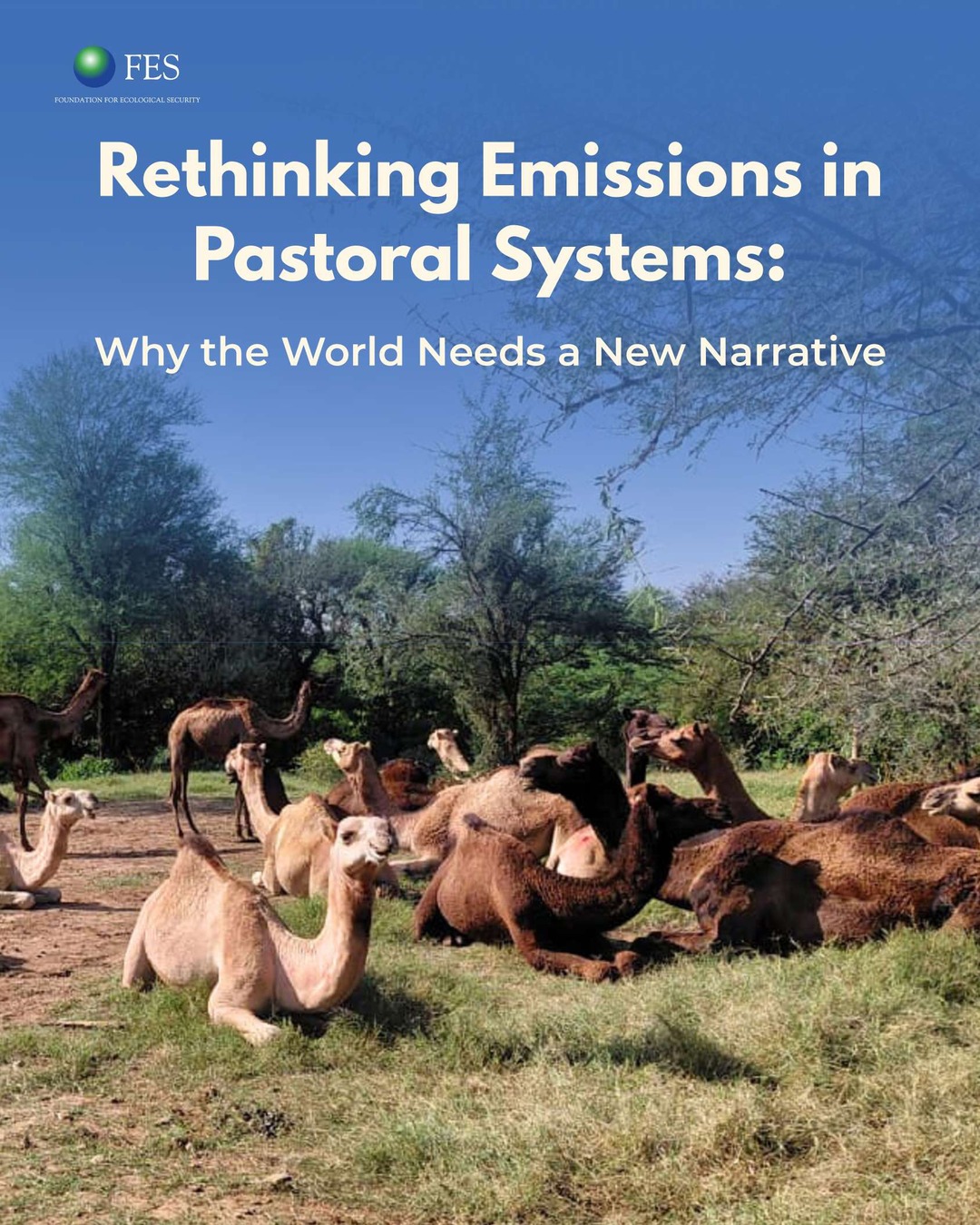
As the world marks the International Year of Rangelands and Pastoralists in 2026, there has never been a more important moment to re-examine how greenhouse gas (GHG) emissions from pastoral systems are understood, contested, and acted upon.
Rainfed Livestock Network (RLN) secretariat anchored in FES launched the Living Lab for Extensive Livestock Systems on 1st July, 2025. This initiative is the beginning of a collaborative and much-needed
conversation around extensive livestock systems; a space where insights can be shared and pooled together to help shape a rich, cross-sectoral dialogue.
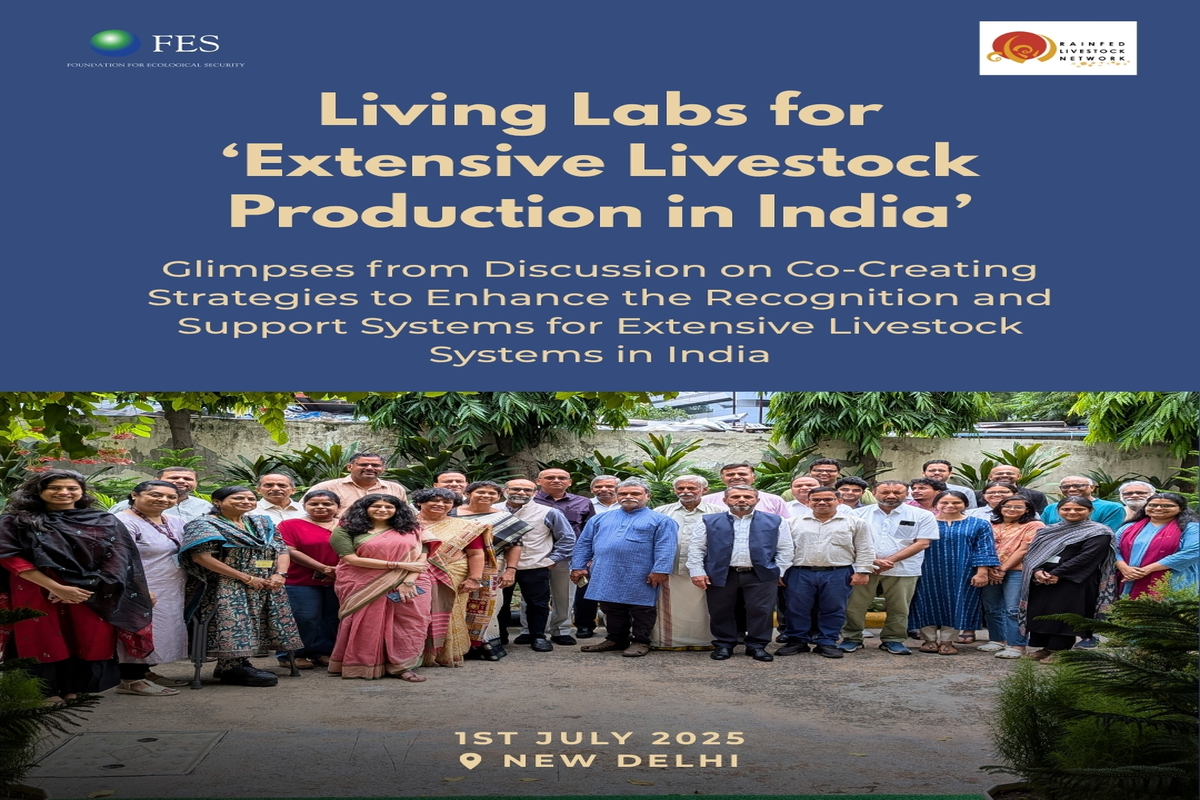
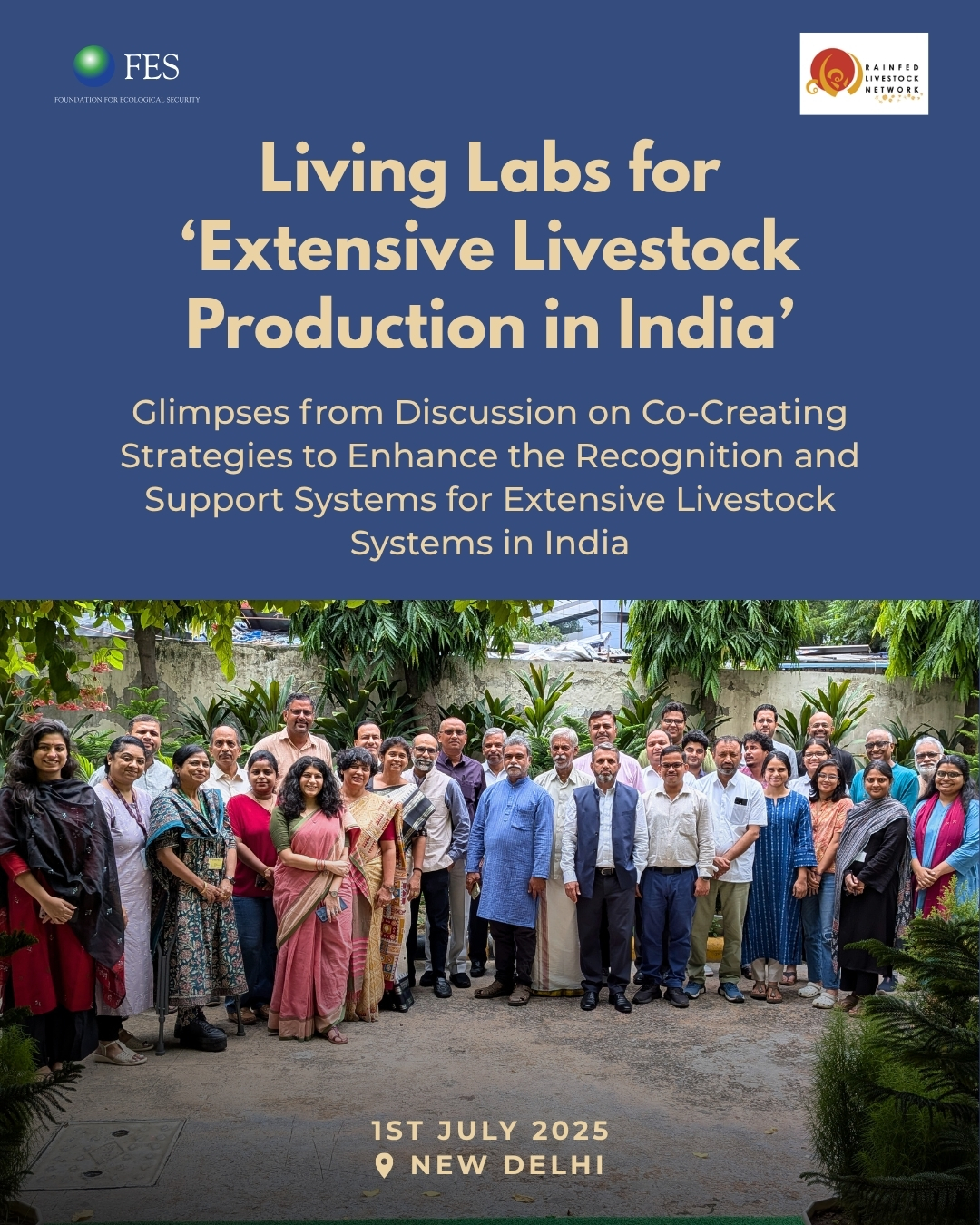
The Rainfed Livestock Network secretariat, anchored in the Foundation for Ecological Security (FES), initiated a ‘Living Lab’ for Extensive Livestock Production in India on 1st July 2025 in Delhi.
Multiple stakeholders came together to deliberate on these shared concerns. This is not just about livestock rearing, but the fact that extensive systems fall under the purview of multiple line departments and domains, and can benefit from a shared understanding of the same for impactful action.
The Living Labs is a platform for continuous engagement with stakeholders on themes related to extensive livestock systems. Follow along for the highlights!
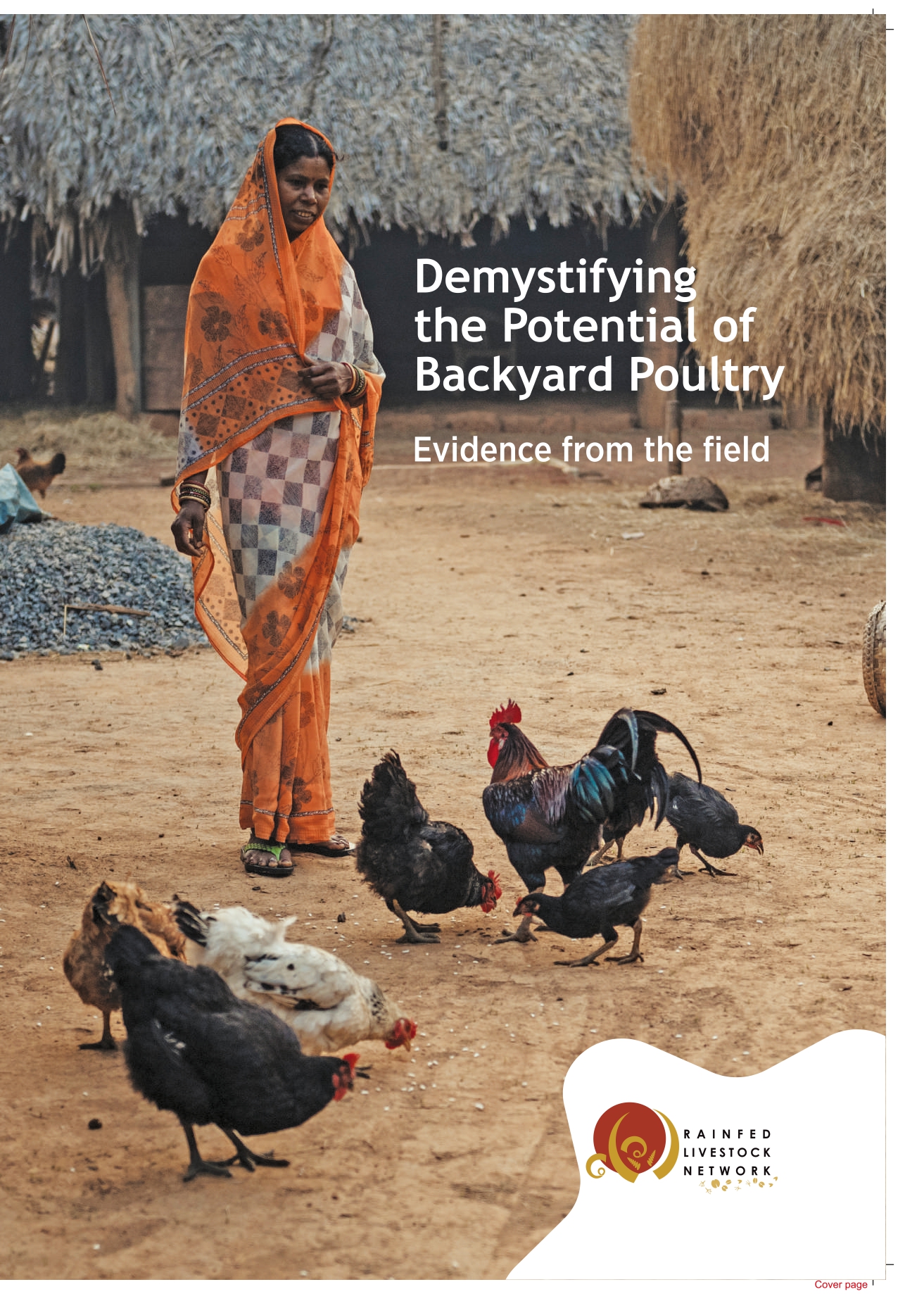
Back Yard Poultry (BYP) is a traditional method of poultry production using indigenous breeds that forage for food. In current times, the term free-range is used more commonly to describe the same. The essence of backyard poultry is the negligible expense on feed, and involves the production of chicks in-house, independent of feed mills and hatcheries. As marginal and landless farmers, especially women, have recognized its potential, it is emerging as a critical source of better livelihood for rural communities.
For the first time since 1919, when the first livestock census happened, India will be counting its pastoral livestock, enumerating pastoral communities and their contribution to the livestock sector, as part of the 21st Livestock Census which was launched on October 25.
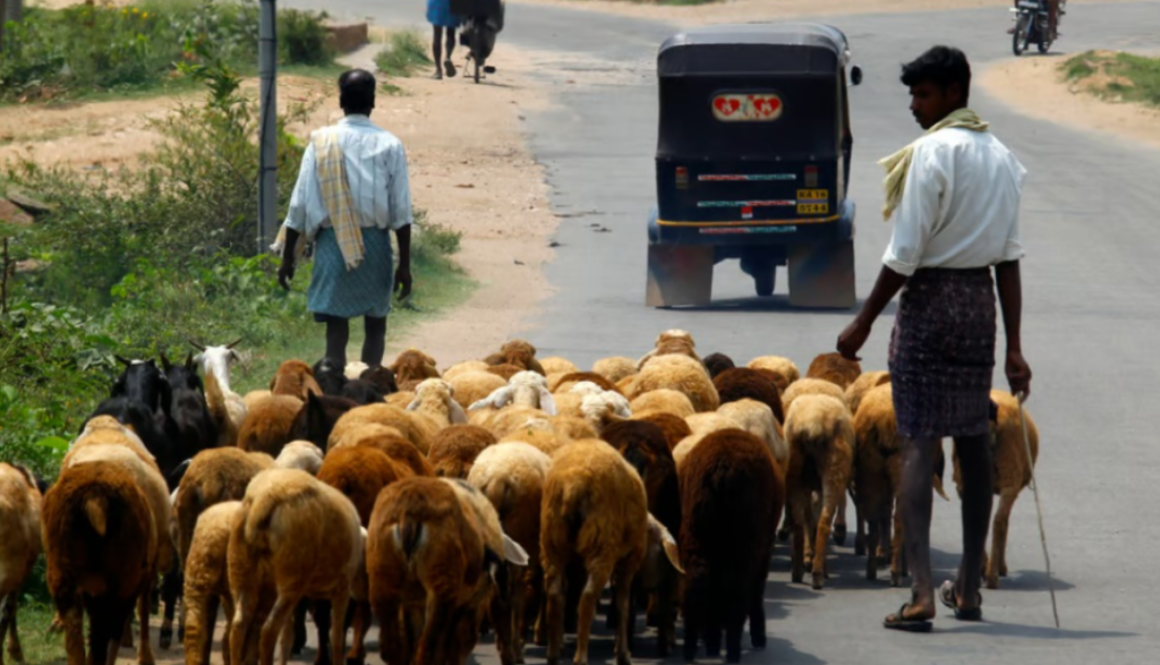
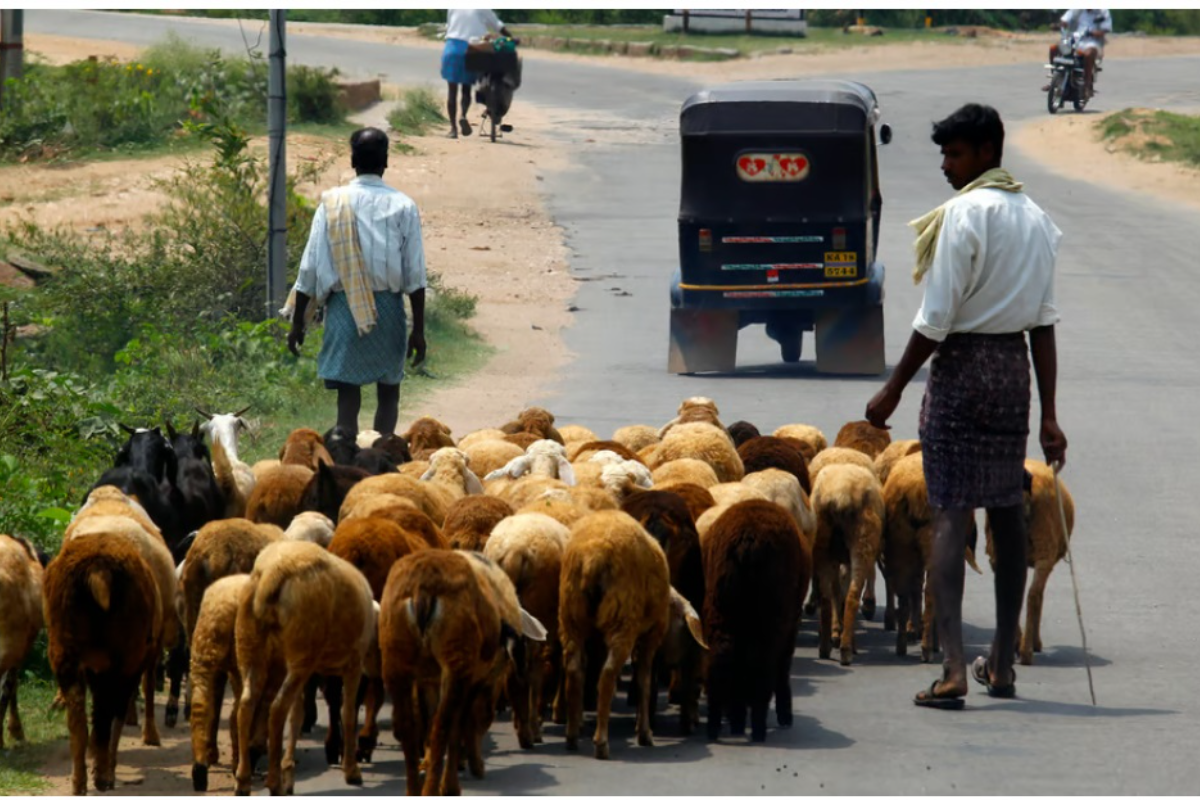
Why is the pastoral census important? India has a significant population of pastoralists. Every year, thousands of pastoralists, along with their animals, make periodic journeys on foot, from one climatic region to another for availability of food, and to take advantage of suitable pastures and grasslands.
About 20 million pastoralists graze the country’s forests and grasslands, according to organisations working with the pastoral communities. But there are no official numbers as till now there was not much recognition of the age-old livelihood practice of transhumance pastoralism in livestock management.
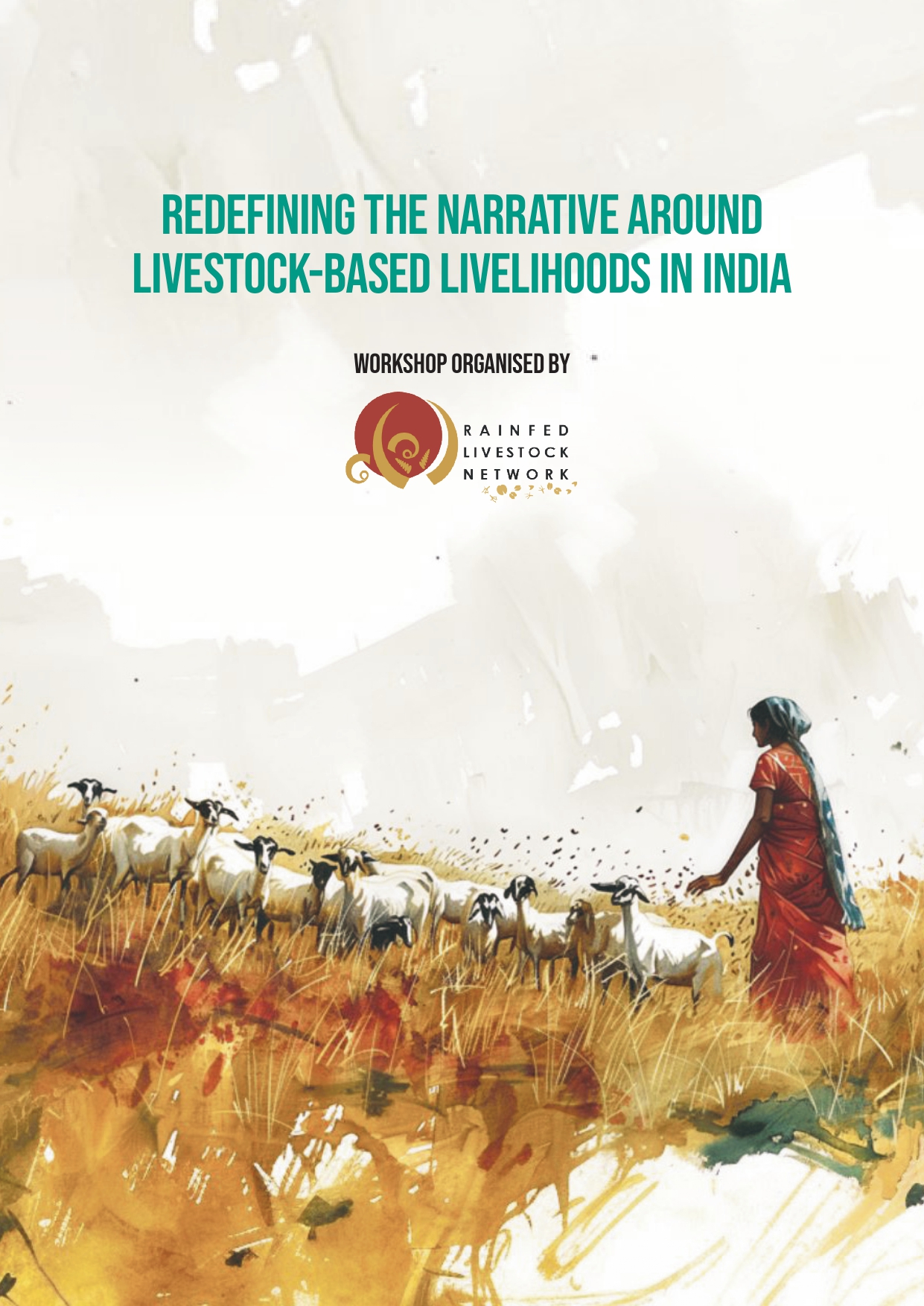
Redefining the narrative around Livestock-based livelihoods in India.
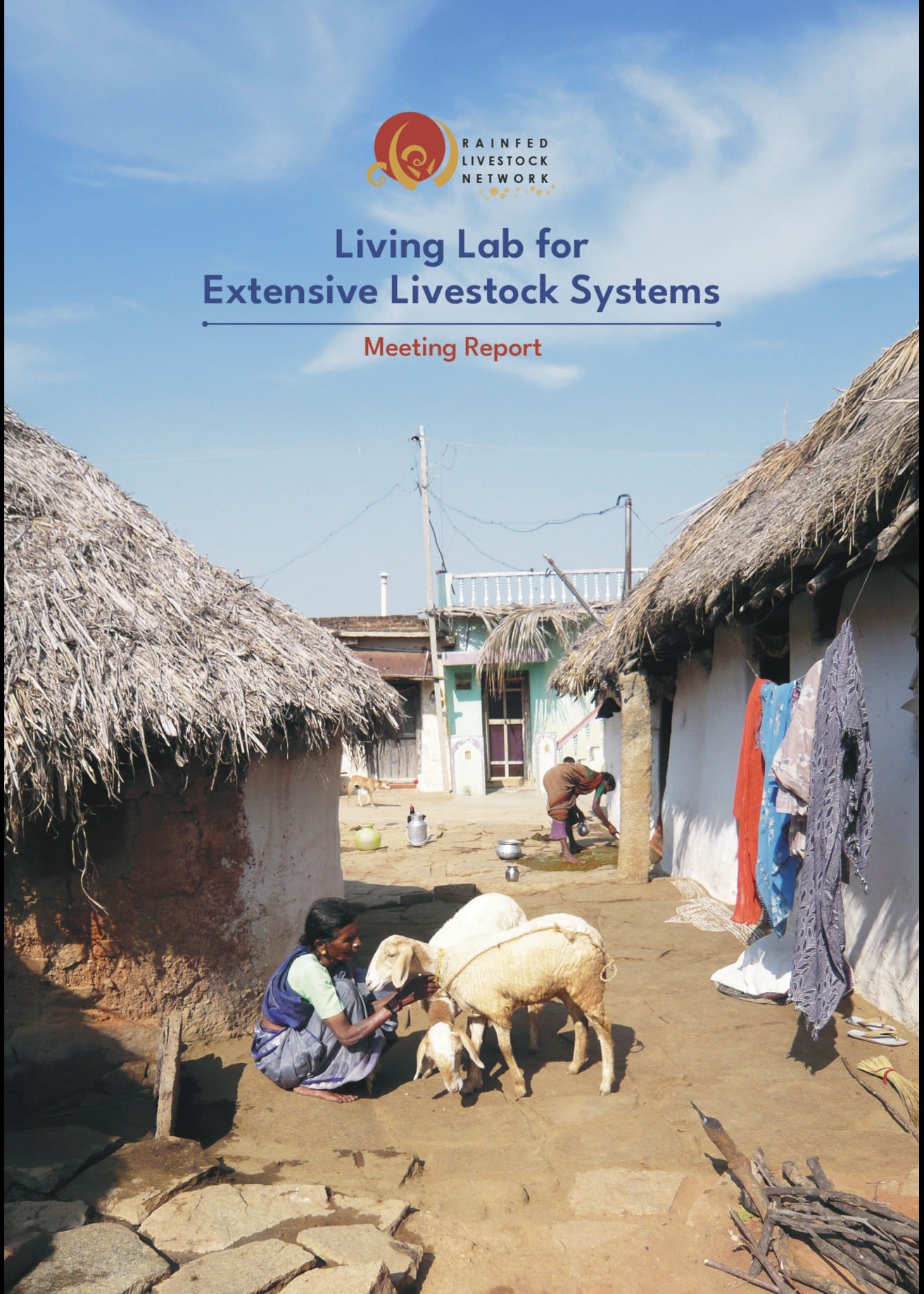
Livestock production in India is frequently misrepresented. The prevailing narrative portrays India’s livestock production as a low-output system, deemed inefficient with high methane emissions. Native breeds are often perceived as low-producing animals, as efficiency is commonly measured by output per individual animal.
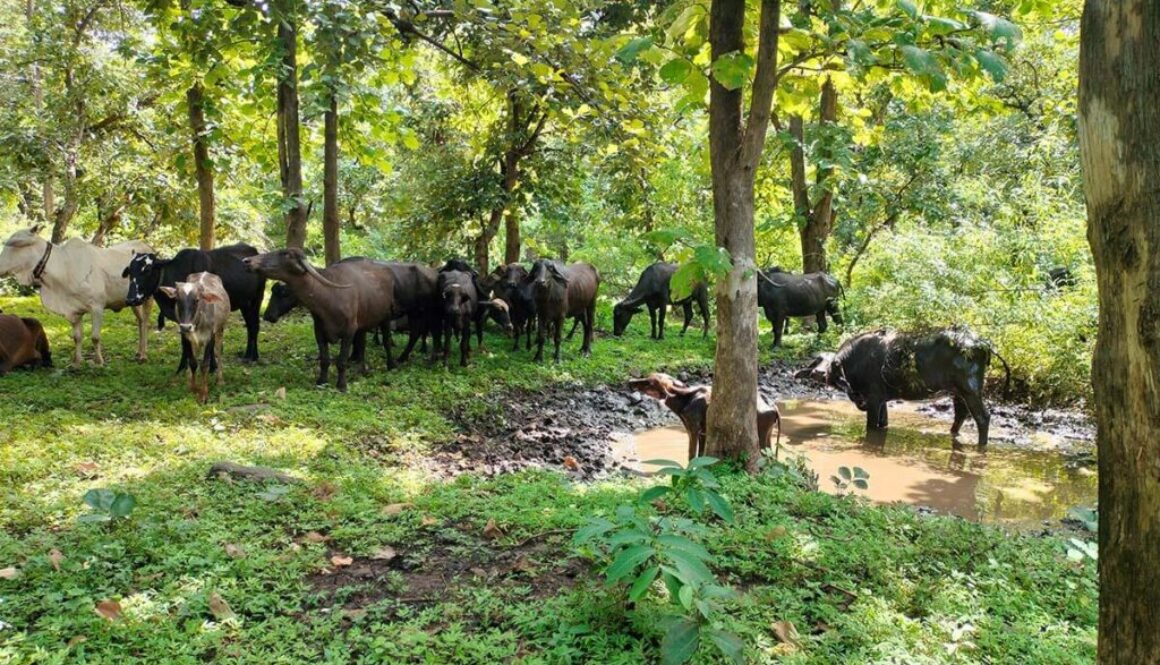
The Melghat region of the Satpura Range in central India is renowned for its lush green forests, its tigers, and the Korku Indigenous tribe, who once lived in the forest in the vicinity of what is now the Melghat Tiger Reserve. Among the lesser-known wonders of this region are the beautiful indigenous cattle and buffalos and the vibrant Nanda-Gaoli traditional seminomadic pastoralist community who evolved that unique livestock, inhabiting and traversing this beautiful landscape for millennia.
The Gaoli people trace their lineage and relationship with this region to Lord Krishna. In ancient times, the Gaoli people were instrumental in producing and supplying milk to the entire Melghat region. Since time immemorial, the Gaoli people and their livestock have been dependent on the forests and grasslands of Melghat. The forests, grasslands, and natural water bodies are the mainstays of the life, economy, culture, and traditions of the Gaoli people and their livestock. In other words, they are the foundations and wellsprings of their territories of life.